FSAE
Project Overview
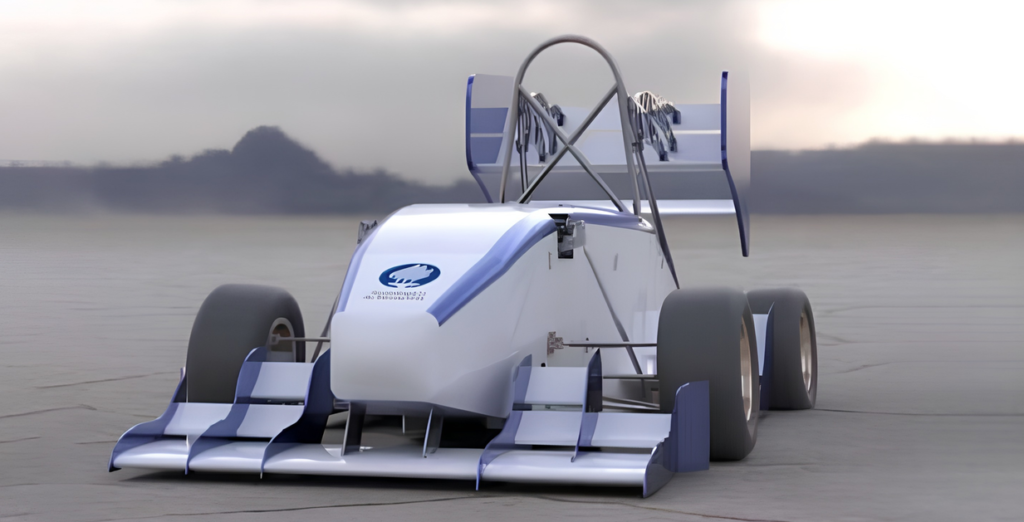
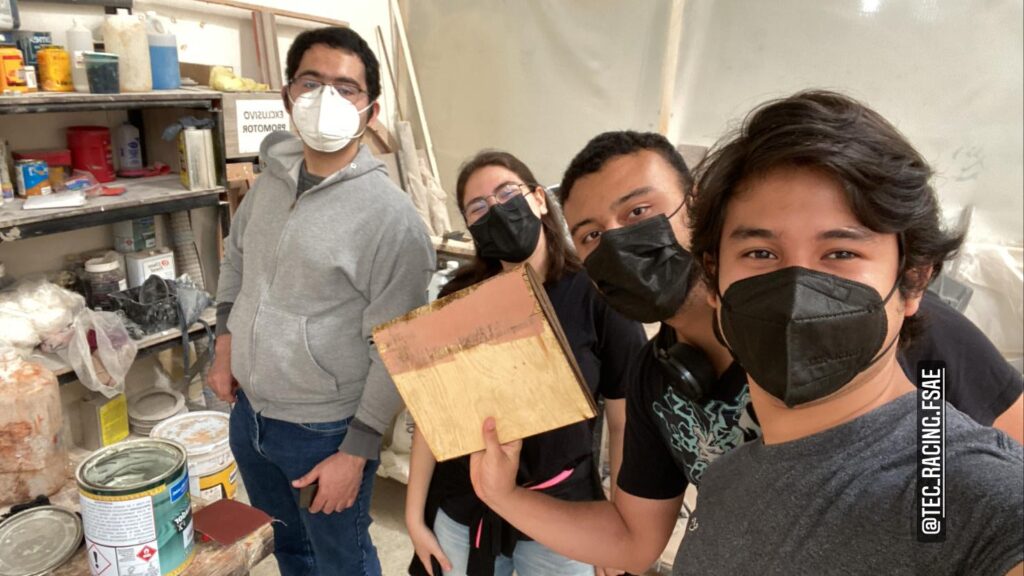
Aerodynamics Coordinator · Tecnológico de Monterrey · August 2020 – June 2023
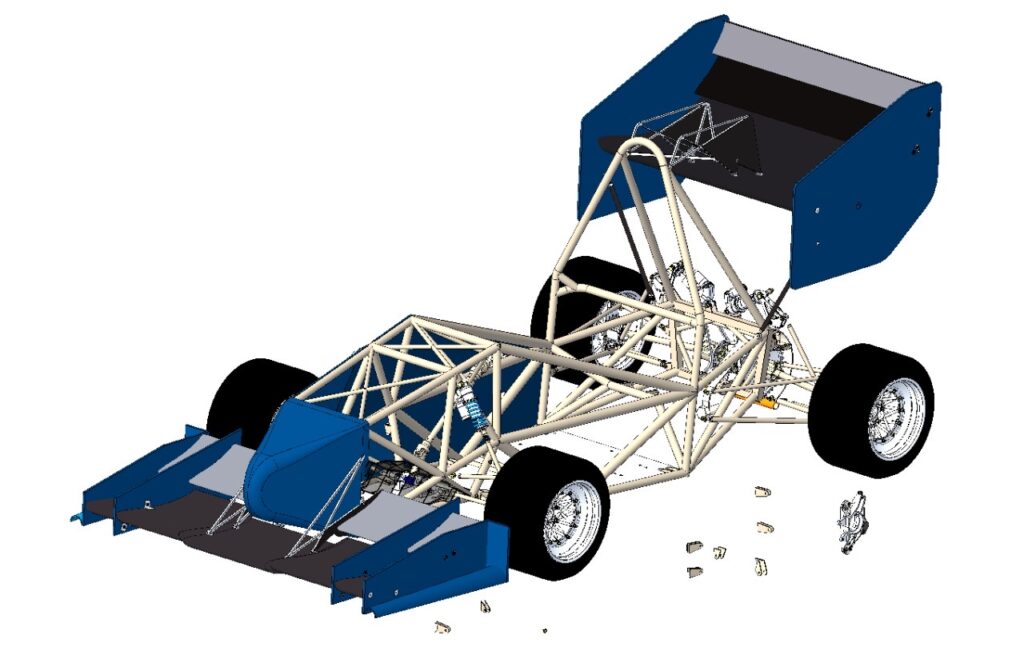
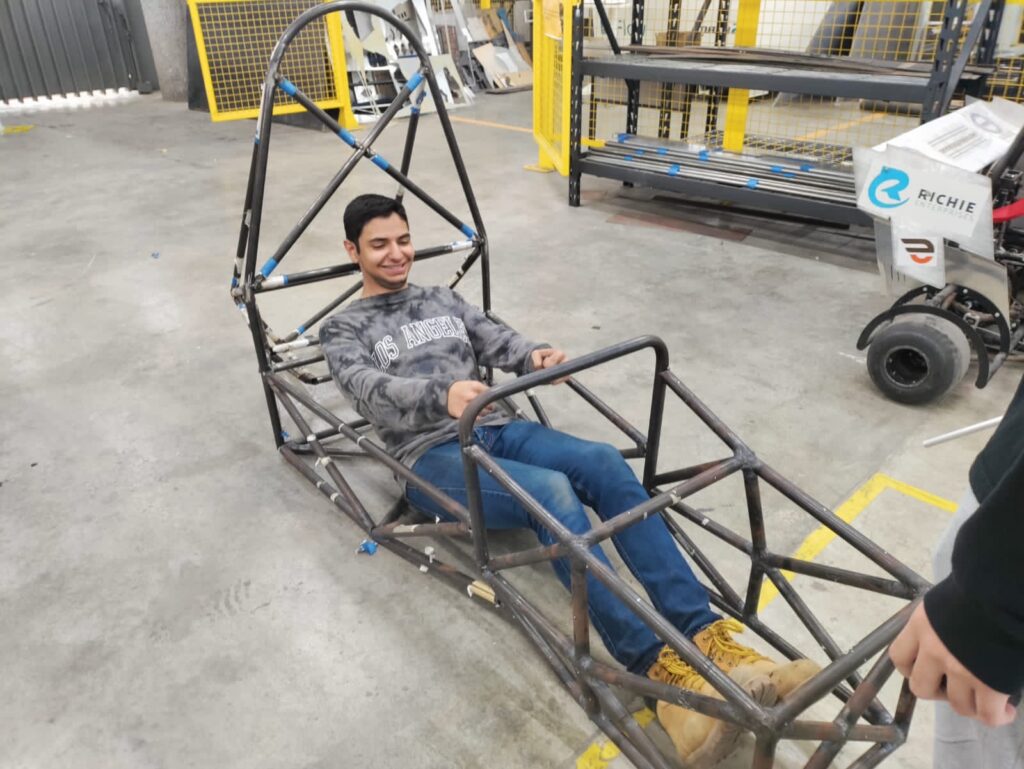
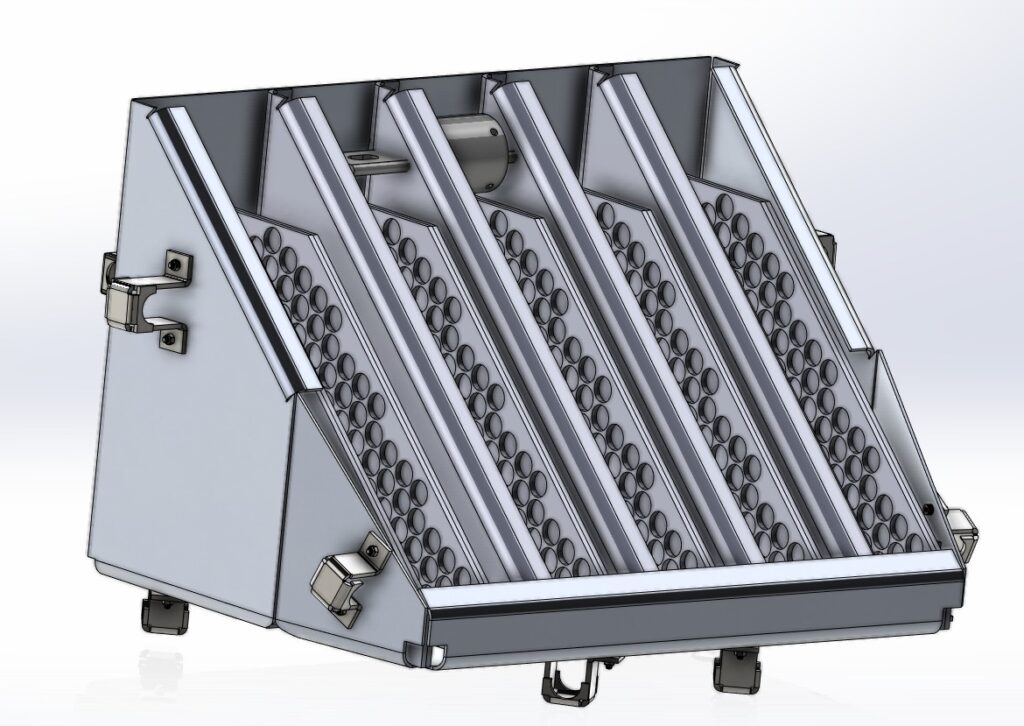
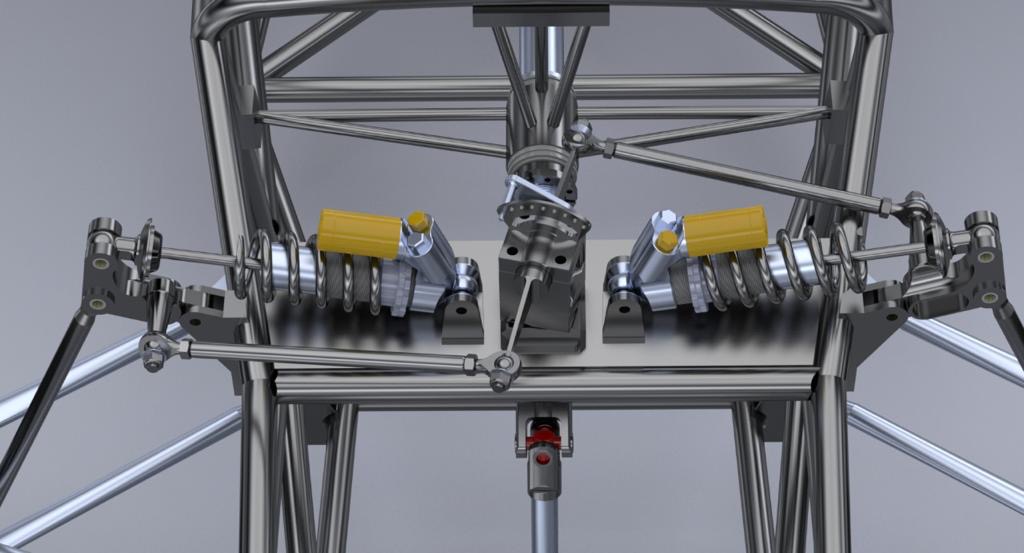
Formula SAE is an engineering competition in which university teams design, develop, and manufacture formula-style race cars, combining mechanical design, vehicle dynamics, aerodynamics, electrical systems, and manufacturing.
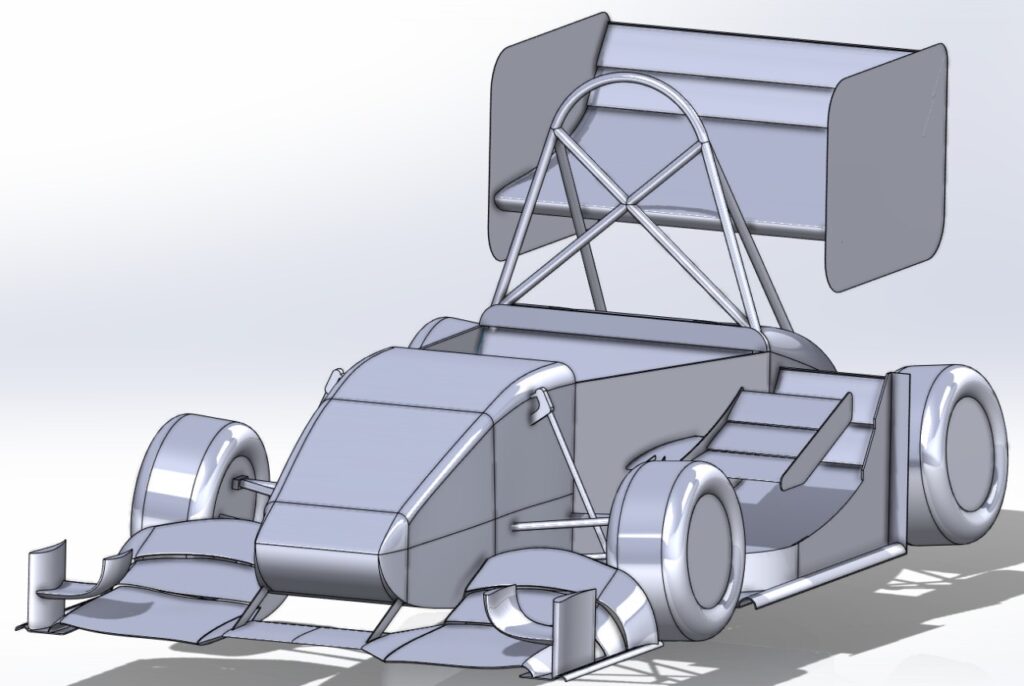
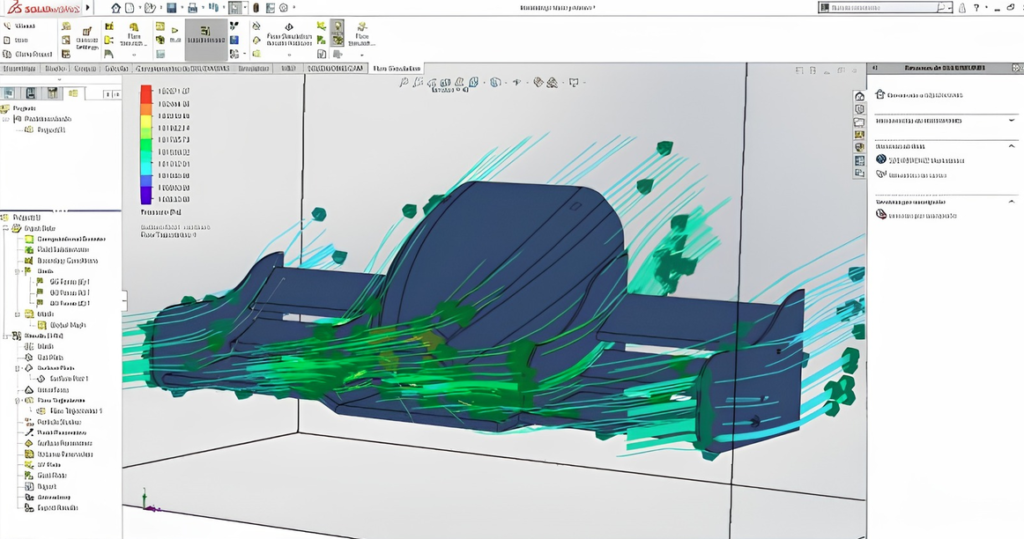
As Aerodynamics Coordinator, I led the department’s activities, focusing on the design and manufacturing of the vehicle’s aerodynamic bodywork. My work involved exploring aerodynamic geometries, designing and evaluating airfoil profiles, and considering how aerodynamic components could be integrated into the vehicle while remaining manufacturable.
The project was partially completed during my involvement. Upon graduating, I had to delegate the remaining vehicle assembly to the team so that development could continue. Although I was not involved in the final assembly, the experience strengthened my skills in aerodynamic design, mechanical integration, manufacturing processes, and multidisciplinary team coordination.
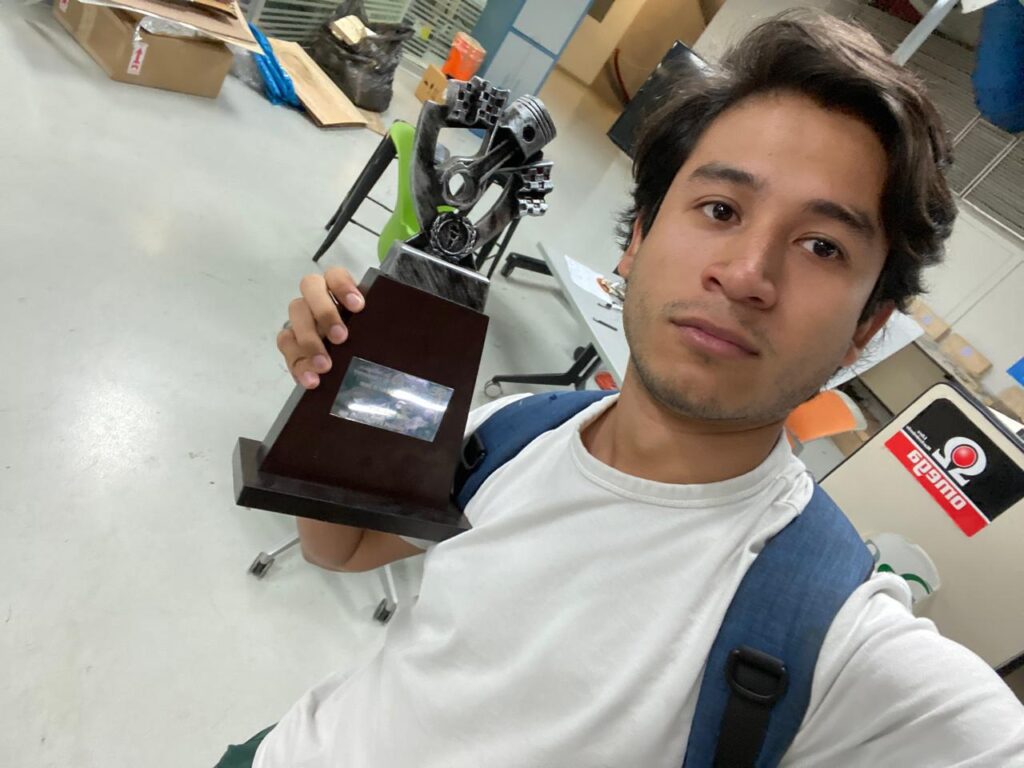
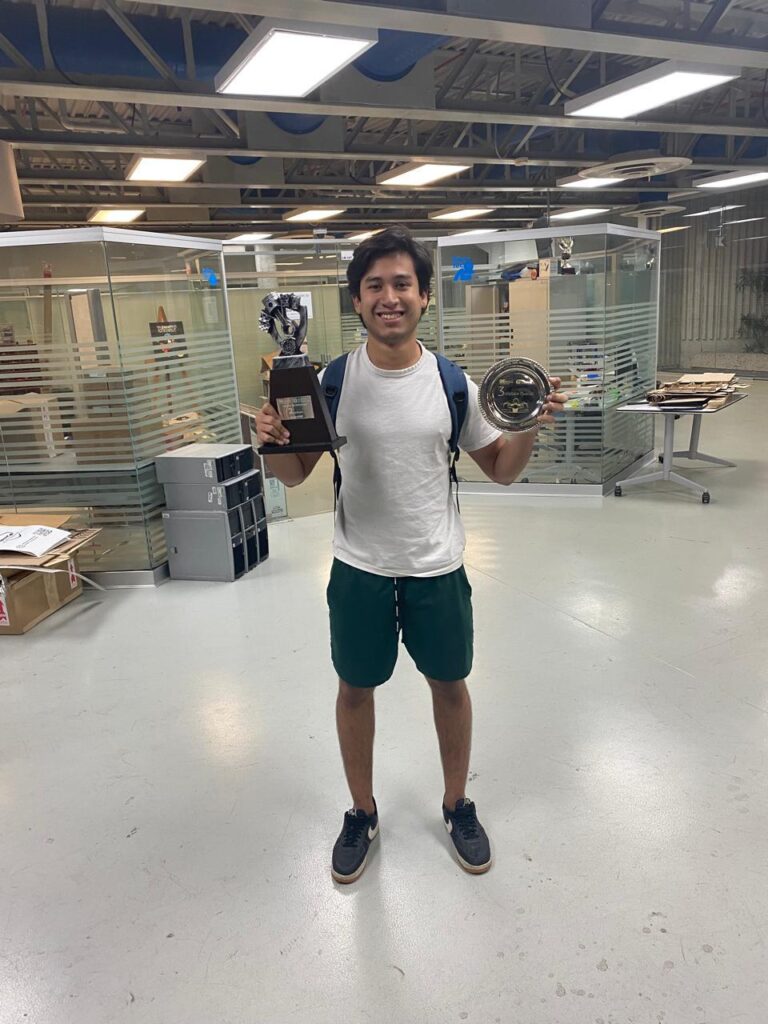
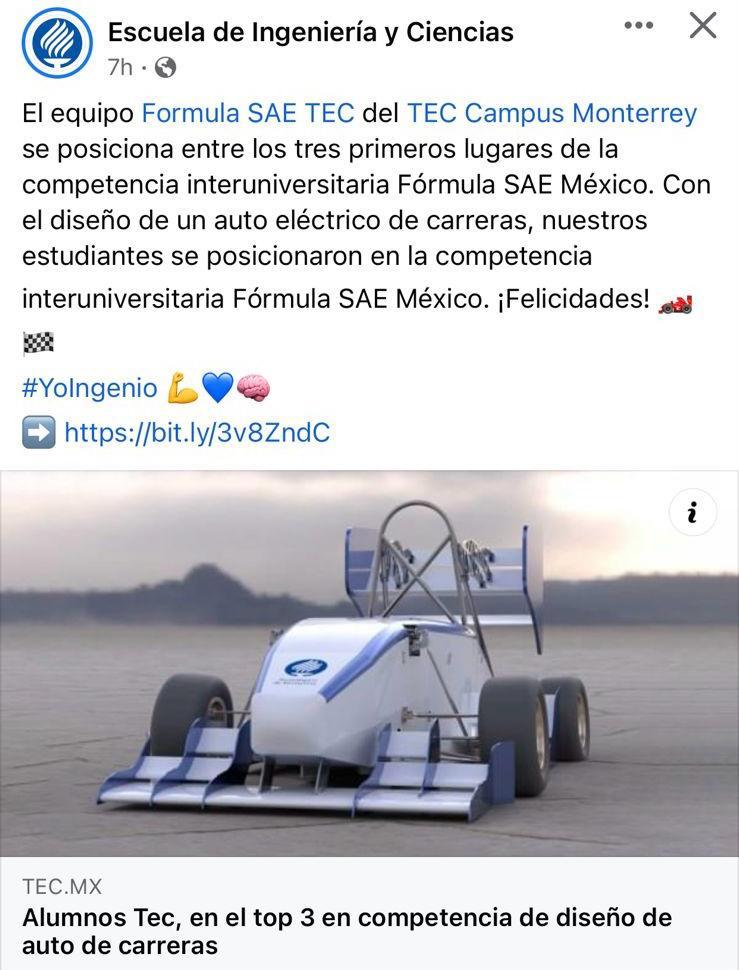
The team achieved second place in Engineering Design at FSAE México, recognizing the engineering work behind the vehicle.
Prizes and Recognition
Aerodynamics Design Areas
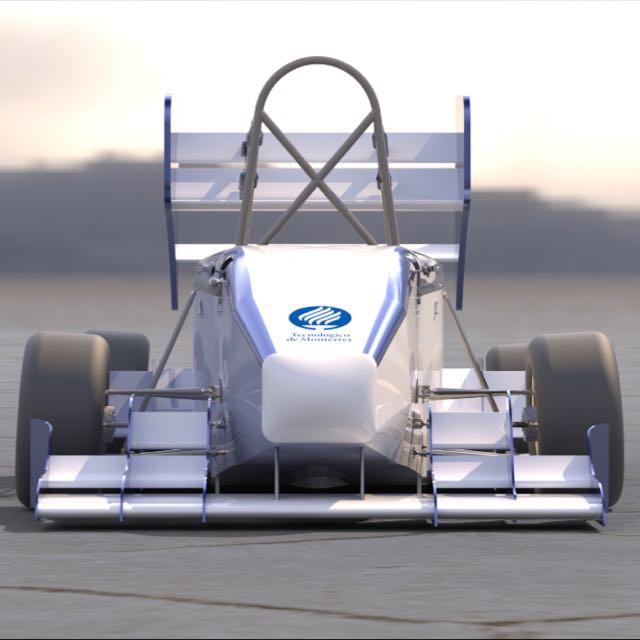
Front Wing
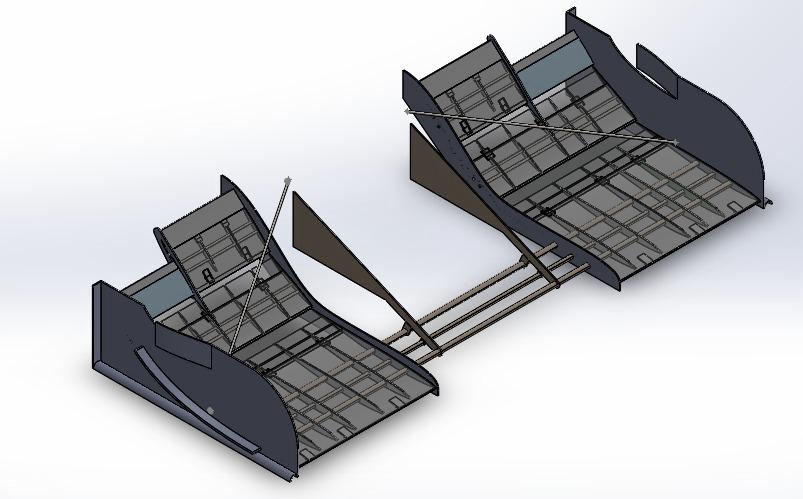
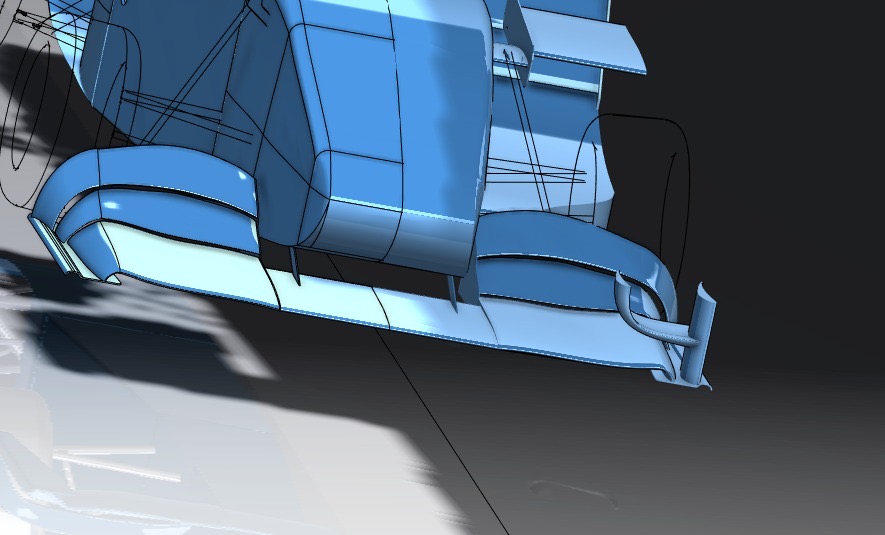
The front wing generates aerodynamic downforce and influences how air flows around the front wheels and along the vehicle. Its design involves airfoil geometry, angle of attack, pressure distribution, and the balance between downforce and aerodynamic drag.
Sidepots
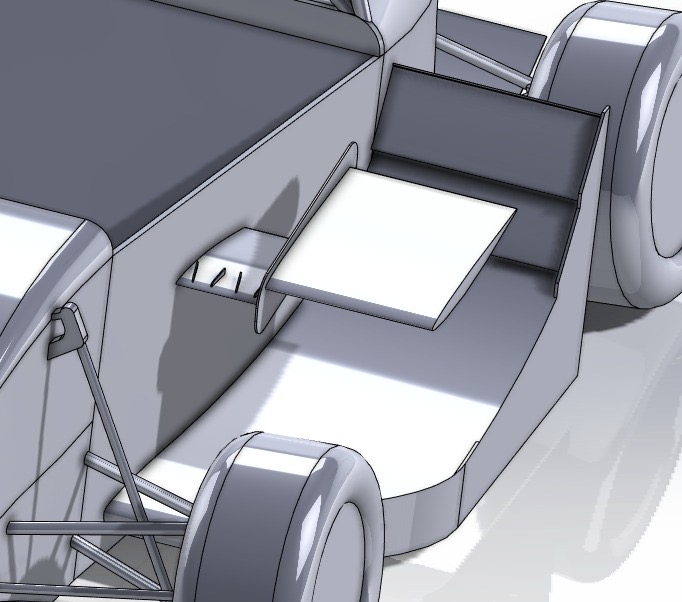
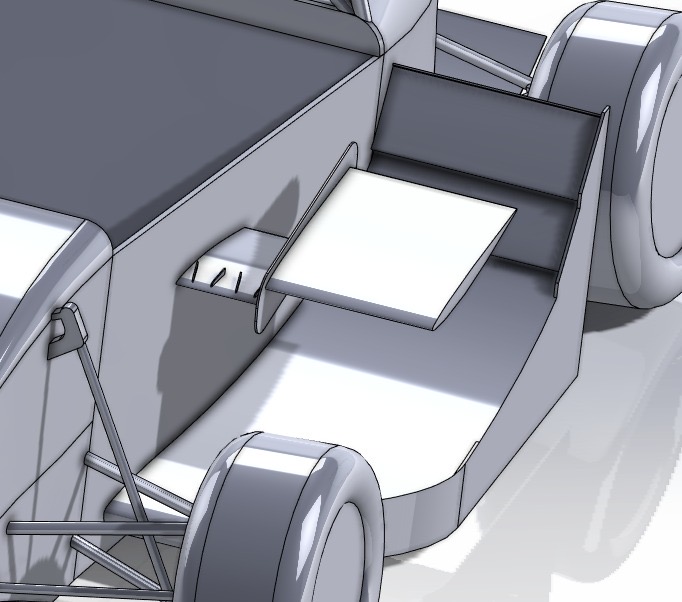
Sidepods shape the airflow along the sides of the vehicle while accommodating components and protecting internal systems. Their geometry affects flow separation, wake formation, and the amount of air directed toward the rear aerodynamic devices.
Rear Wing
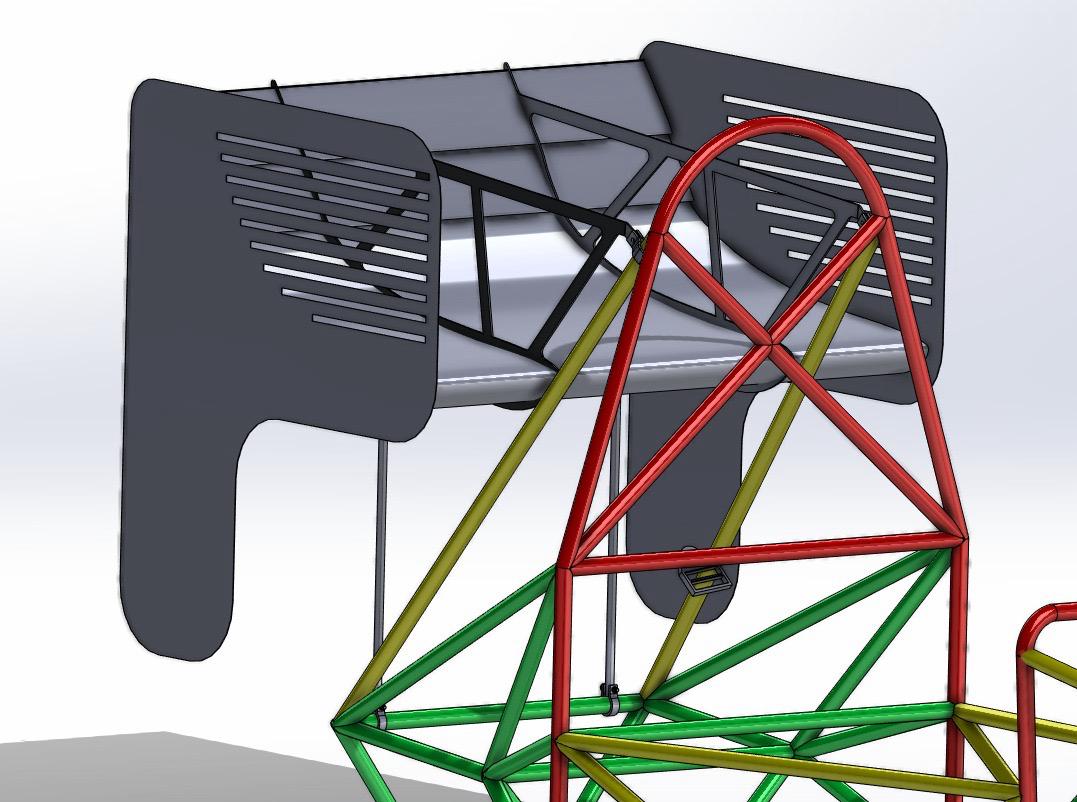
The rear wing generates downforce over the rear axle and contributes to the vehicle’s aerodynamic balance. Its performance depends on its airfoil sections, operating angle, configuration, and interaction with the airflow coming from the rest of the vehicle.
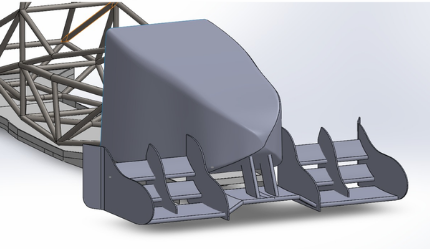
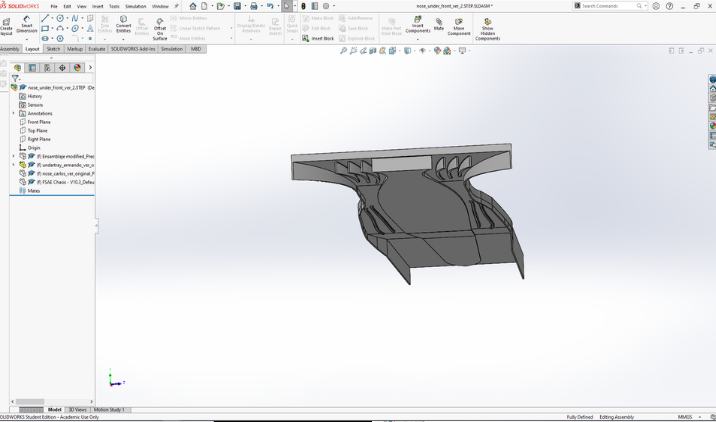
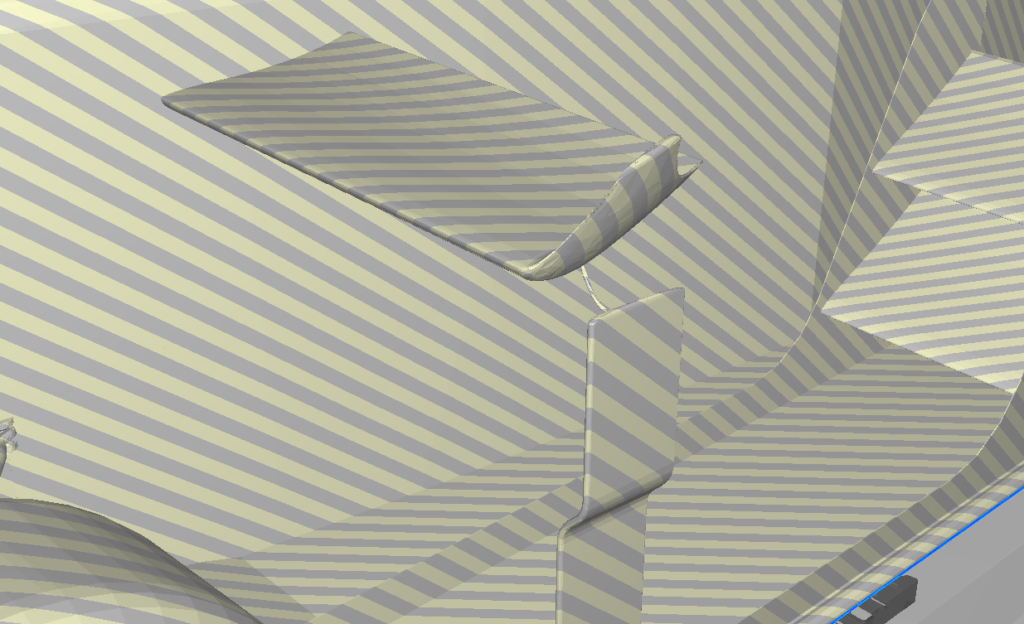
Nose, Vortex generation and Undertray
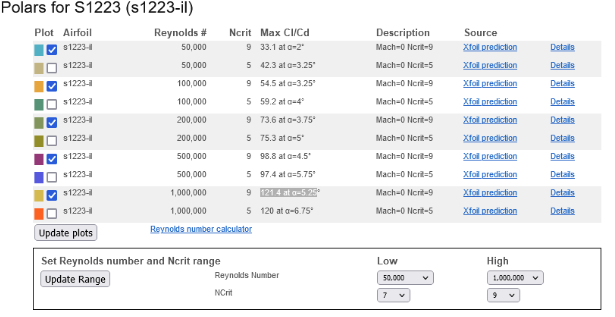
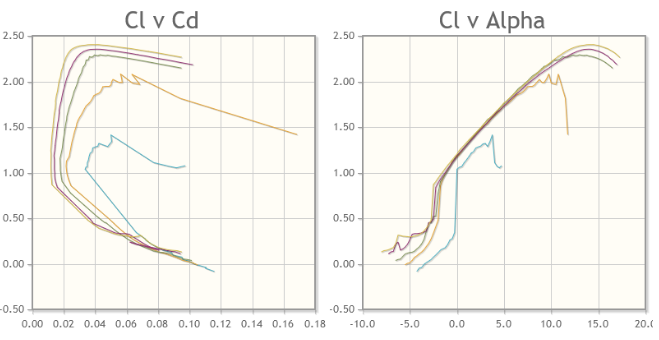
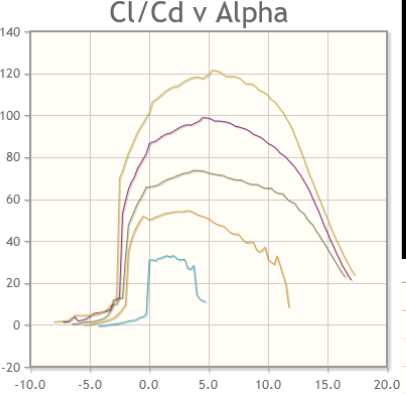
Airfoil Design Anlysis

Gallery